Every electronic product lives or dies by the reliability of its printed circuit board. A single weak solder joint, an overlooked thermal hotspot, or an unnoticed vibration point can turn a promising design into a costly field failure. That’s where Sherlock Analysis comes in.
If you design, manufacture, or manage electronics, you’ve probably heard the term thrown around in reliability discussions. But what is Sherlock Analysis exactly, and how does it connect to the broader world of MTBF analysis services? This guide breaks it down in plain language, so you can make smarter decisions before your board ever reaches a prototype stage.
What Is Sherlock Analysis?
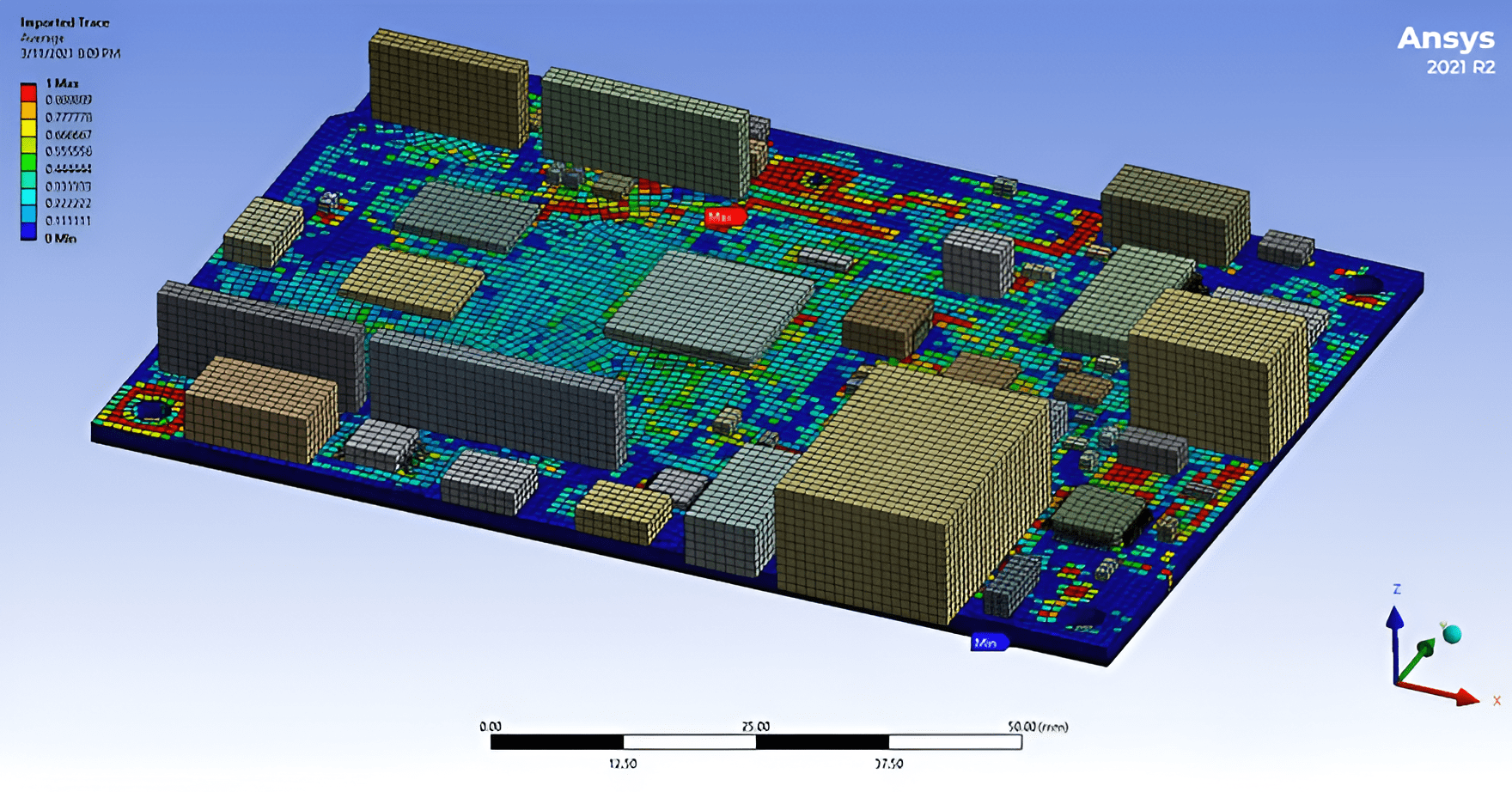
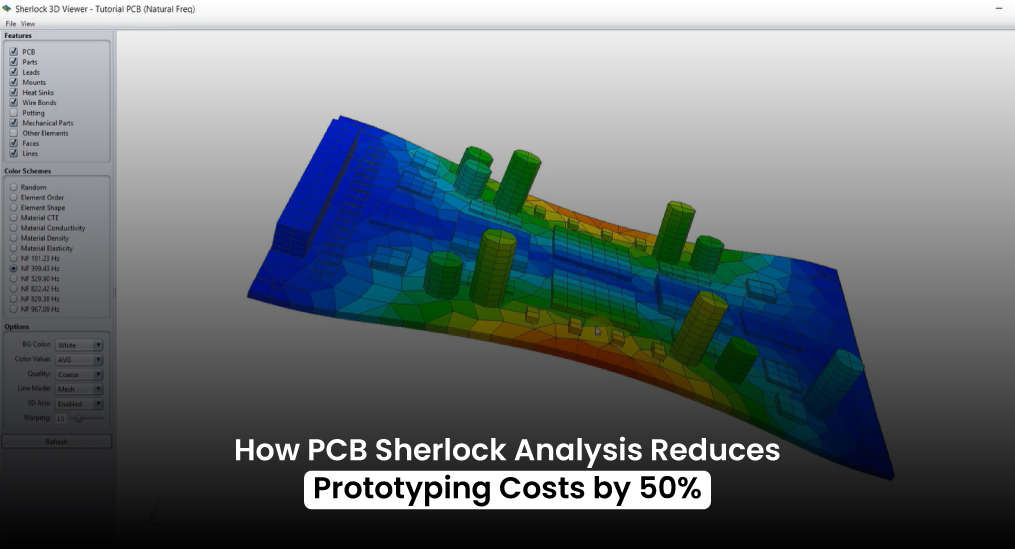
Sherlock Analysis is a simulation-based reliability prediction method that uses Ansys Sherlock software to evaluate how a printed circuit board will perform under real-world stress conditions. Instead of waiting to physically build and test a board, engineers can model it virtually and see exactly where it’s likely to fail.
The software applies Finite Element Analysis (FEA) to study three major stress categories:
- Thermal cycling– how temperature swings affect solder joints and components over time
- Vibration and shock– how mechanical stress impacts board integrity during transport, operation, or field use
- Solder fatigue– how repeated stress cycles weaken solder connections until they crack
By combining these inputs with your board’s layout, component data, and material properties, Sherlock Analysis generates a predictive lifetime model. It essentially answers the question every design engineer wants answered early: Where will this board fail first, and when?
Why Sherlock Analysis Matters for PCB Design
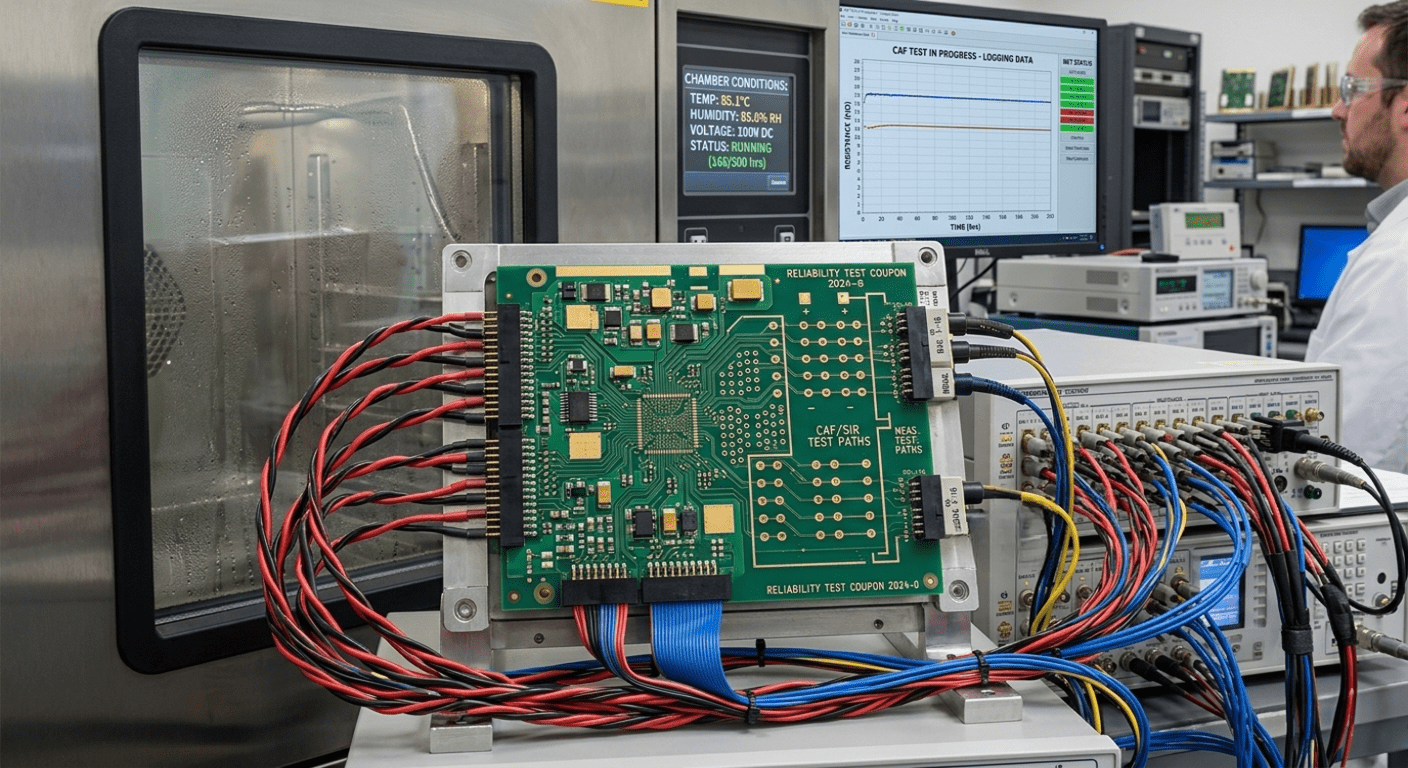
Physical prototyping is expensive and slow. Building a board, running it through environmental chambers, waiting for failures to show up, then redesigning and repeating the cycle can eat up months of a product timeline. Sherlock Analysis compresses that process.
1. It Catches Failures Before They Happen
Rather than discovering a weak component placement after your board has already failed in a shaker test, Sherlock Analysis flags high-risk areas during the design phase. This means design changes happen on a screen, not on a production line.
2. It Reduces Development Costs
Every redesign cycle costs money new prototypes, new tooling, new testing rounds. Catching a solder fatigue issue in simulation instead of at the third prototype revision can save thousands of dollars and weeks of schedule.
3. It Strengthens Long-Term Reliability
A board that survives initial testing isn’t automatically a board that survives years in the field. Sherlock Analysis models the cumulative effect of thermal and mechanical stress over a product’s expected lifecycle, giving you a realistic picture of long-term durability, not just short-term functionality.
4. It Supports Data-Driven Design Decisions
Instead of relying on assumptions or industry rules of thumb, engineering teams get quantifiable data on component placement, board stack-up, and material selection. That data feeds directly into design reviews and helps justify engineering changes to stakeholders.
How Sherlock Analysis Connects to MTBF Analysis Services
Sherlock Analysis and MTBF analysis services work hand in hand, but they answer slightly different questions.
- Sherlock Analysis focuses on the physical and mechanical durability of a PCB where it’s likely to crack, fatigue, or fail structurally under thermal and vibrational stress.
- MTBF (Mean Time Between Failures) analysis calculates the statistical failure rate of a product’s components, using standards like MIL-HDBK-217F, Telcordia SR-332, and ANSI/VITA 51.1, to predict the average operational lifespan of the overall system.
Used together, these two methods give you a complete reliability picture. Sherlock Analysis tells you where structural weaknesses exist on the board. MTBF analysis services tell you how those weaknesses, combined with component-level failure rates, translate into an overall system reliability number. For teams that need both a durable board and a defensible reliability figure for customers or regulators, combining Sherlock simulation with formal MTBF prediction is the most thorough approach available.
What the Sherlock Analysis Process Looks Like
While every project varies, a typical Sherlock Analysis engagement generally follows these steps:
- Design data collection– PCB layout files, Bill of Materials (BOM), and component specifications are gathered.
- Model build– The board is modeled digitally, factoring in board stack-up, component geometry, and material properties.
- Stress simulation– Thermal cycling, vibration, and shock scenarios are applied based on the product’s expected operating environment.
- Failure prediction– The software identifies which components or solder joints are statistically most likely to fail first, and estimates when.
- Reporting and recommendations– Engineers receive a detailed report highlighting risk areas along with actionable design recommendations.
This process fits naturally into early design stages, when changes are still inexpensive to make, but it can also validate designs that are nearing production.
Who Needs Sherlock Analysis?
Sherlock Analysis is especially valuable for industries where field failures are costly, dangerous, or both:
- Aerospace and defense electronics operating in extreme temperature and vibration environments
- Automotive systems subject to constant thermal cycling and road vibration
- Medical devices where component failure directly affects patient safety
- Industrial and IoT hardware deployed in harsh or remote conditions where repairs are expensive
- Telecommunications infrastructure expected to run reliably for years without maintenance
If your product needs to survive years of continuous use in a demanding environment, Sherlock Analysis isn’t optional it’s a core part of responsible design practice.
Why Work With Relteck for Sherlock Analysis
Relteck specializes in making advanced reliability tools accessible and actionable for engineering teams. Using Ansys Sherlock and Finite Element Analysis, Relteck’s engineers evaluate thermal stress, vibration, and solder fatigue on your PCB design, then pair those findings with MTBF analysis services for a complete, standards-based reliability picture.
What sets Relteck apart:
- Cost savings by catching design flaws before expensive prototyping cycles
- Faster timelines through precise, simulation-driven insights
- Tailored analysis built around your specific application and operating environment
- Industry-standard methods, including MIL-HDBK-217F, Telcordia SR-332, and ANSI/VITA 51.1
- Full lifecycle support, from early PCB design through production-level reliability testing
Whether you’re designing a new board from scratch or validating a design already headed toward manufacturing, Relteck’s team helps you understand exactly where your reliability risks live and how to fix them before they cost you.
Reliable products start with knowing exactly where your design is vulnerable. Sherlock Analysis gives you that visibility before a single prototype is built, and pairing it with professional MTBF analysis services gives you the full reliability story your team, customers, and stakeholders can trust.
Ready to strengthen your PCB design? Contact Relteck at (408) 420-4983 or submit an inquiry through relteck.com to schedule a consultation with a reliability engineering expert.