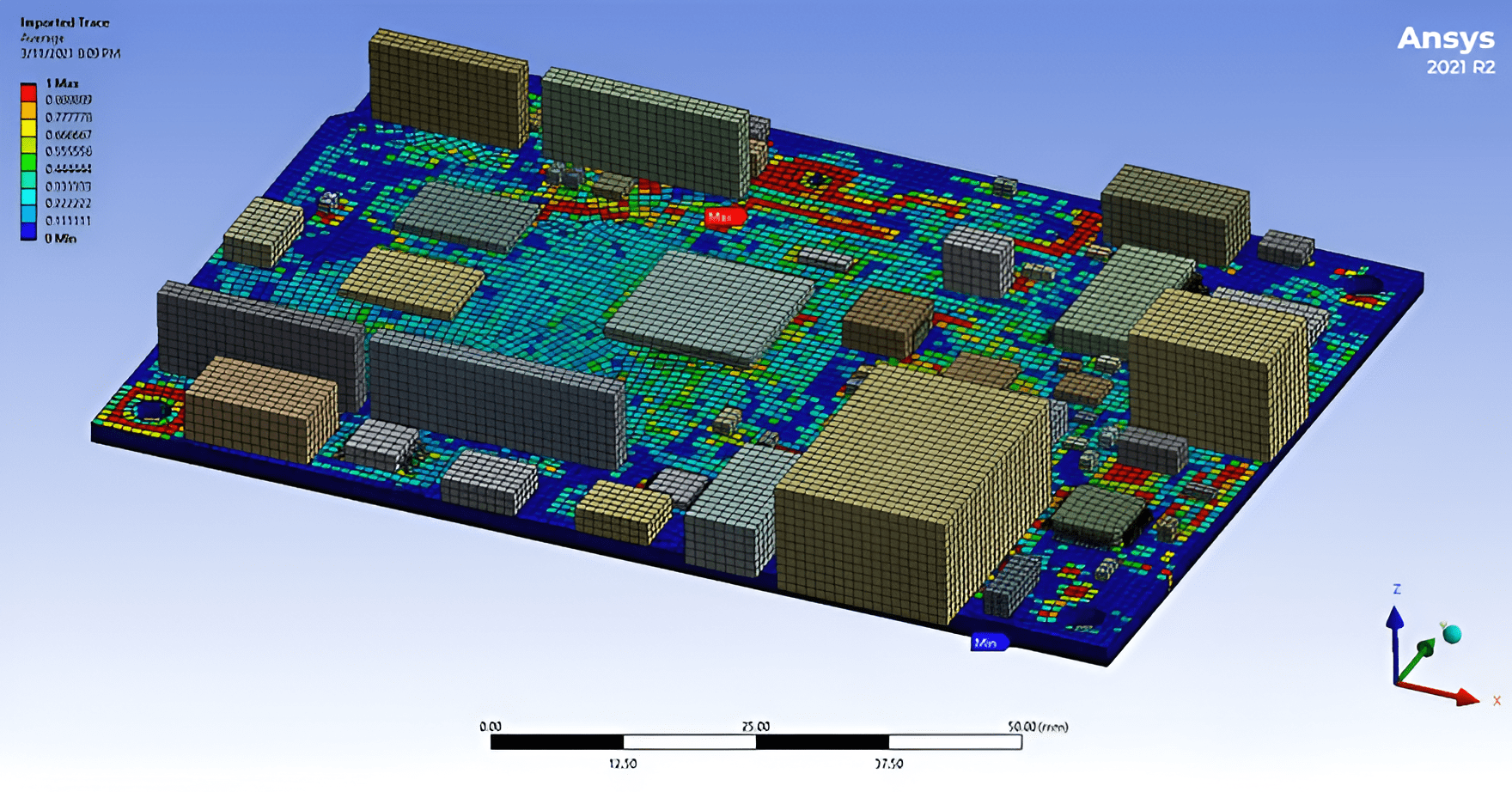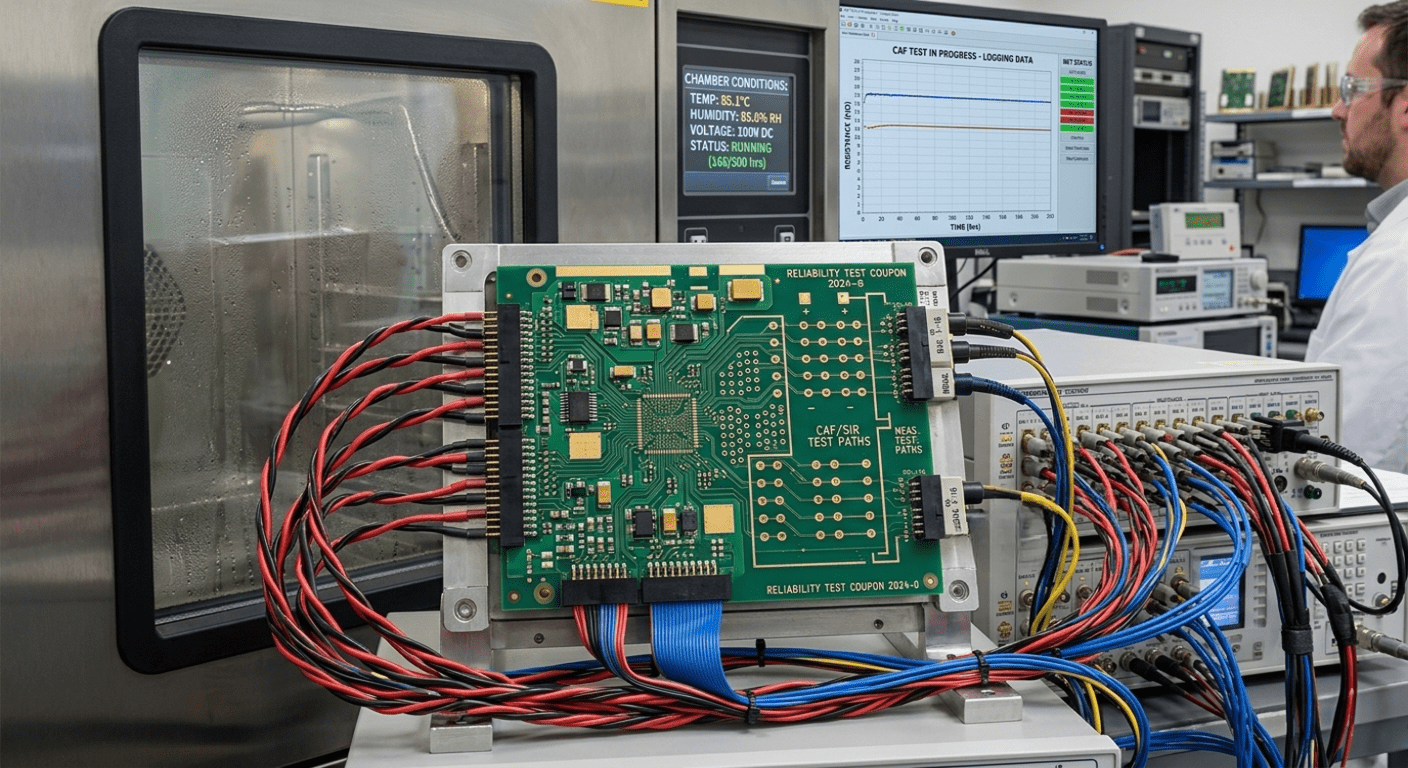
In today’s fast-paced electronics industry, ensuring the durability and performance of printed circuit boards (PCBs) is crucial. This is where PCB reliability analysis services come into play. These services help manufacturers and engineers assess how well a PCB performs under various conditions over time, reducing the risk of failure and improving product quality.
A reliability test for PCB is a comprehensive evaluation to determine the board’s ability to function correctly throughout its expected lifecycle. This test simulates real-world stresses, including temperature variations, humidity, mechanical shock, vibration, and electrical loads. The key purpose is to identify potential failure modes before the product reaches the market.
Importance of Reliability Analysis and Testing Services
Utilizing reliability analysis and testing services enables companies to accurately predict the longevity and performance of their PCBs. These services involve a combination of accelerated life testing, thermal cycling, and environmental stress tests. They help detect defects related to solder joints, component failures, and material degradation.
Through these insights, designers can improve PCB layouts, select appropriate materials, and refine manufacturing processes, thereby increasing product reliability and customer satisfaction.
Ensuring Long-Term Performance and Quality
Reliability testing for PCBs is a critical component in the development process, providing invaluable data on how circuit boards behave under diverse environmental and operational stresses.
By leveraging advanced PCB reliability analysis services and comprehensive reliability testing services, manufacturers can mitigate risks, optimize design choices, and enhance overall product robustness.